
The Morning You Notice Something's Off
You hit the wall button on your way out, and the door hesitates. Or it closes a little crooked. Or there's a faint grinding sound that wasn't there last month. Nothing dramatic enough to stop your morning, so you shrug it off and head to work. A week later it's worse, and now you're calling someone on a weekend.
After a season of afternoon downpours, salt-heavy air, and the kind of humidity that swells wood and rusts metal, your garage door has quietly been through a lot. The good news is that most of the damage this causes gives warning signs weeks before it becomes a real problem. A twenty-minute check, done once a season, catches almost all of it.
What You'll Need
- A flashlight
- A rag or shop towel
- A tube of garage-door-rated lithium grease (not WD-40, which washes out and attracts grit)
- A socket wrench or screwdriver set
- A soft brush or old toothbrush for sensor lenses
The Twenty-Minute Routine
- Look at the tracks before you touch anything. With the door closed, run your flashlight along both tracks. You're checking for rust spotting, bent sections, or a buildup of dirt and pollen that's turned into grime after wet weather. Wipe the tracks clean with a dry rag. Don't lubricate the tracks themselves — rollers need to move freely, not slide on grease.
- Check the weatherstripping along the bottom and sides. Humidity swells rubber seals, and sun exposure cracks them. Press along the bottom seal with your fingers. If it's gone stiff, split, or pulled away from the door, it's letting in moisture and bugs, and it's an easy swap you can do yourself with a seal kit from a hardware store.
- Tighten the visible hardware. Grab your wrench and go over the roller brackets, the hinges between panels, and the bolts holding the track to the wall. A door that runs every day, combined with humidity swelling the surrounding wood frame, works screws loose over time. Snug them up — don't crank them past resistance.
- Lubricate the moving metal parts. A small dab of lithium grease on each roller (not the track), each hinge, and the opener's chain or screw drive. Wipe off the excess so it doesn't drip or collect dust. This is the single most effective thing you can do to quiet a noisy door and slow down rust.
- Clean the photo-eye sensors. These are the two small boxes near the bottom of the tracks, a few inches off the floor. Dust, cobwebs, and the fine haze that salt air leaves behind can block them, which makes the door reverse for no obvious reason. Wipe both lenses gently with a soft cloth.
- Test the auto-reverse safety feature. Place a roll of paper towels or a 2x4 on the ground where the door closes. Hit the button and let the door close onto it. It should reverse immediately on contact. If it doesn't, stop using the opener until this is fixed — this is a safety issue, not a maintenance one.
- Check the balance. Pull the emergency release cord so the door disconnects from the opener, then lift it manually about halfway. It should stay put on its own, or move with very little effort. If it feels heavy, drops on its own, or you're fighting it, the springs are carrying less weight than they should.
Where to Stop and Call a Technician
Everything above is safe for a homeowner to do with basic tools. Where you should stop:
- Springs. If the balance test feels off, that's a spring tension issue. Torsion springs are under enough force to cause serious injury, and they're not a DIY adjustment.
- Cables. Frayed, rusted, or loose cables near the bottom brackets are under the same kind of load. Leave them alone and call it in.
- A door that's come off track or binds badly. Forcing it can bend the track further or damage the opener motor.
- Anything involving the opener's internal wiring or force settings. Adjusting these incorrectly can defeat the auto-reverse safety feature you just tested.
If you're in a storm-exposed area and your door took wind load during a storm this past season, even if it looks fine, it's worth having someone check the track alignment and hardware rating before the next storm season rolls around.
When It's Time to Call Precision Garage Door of Cross City
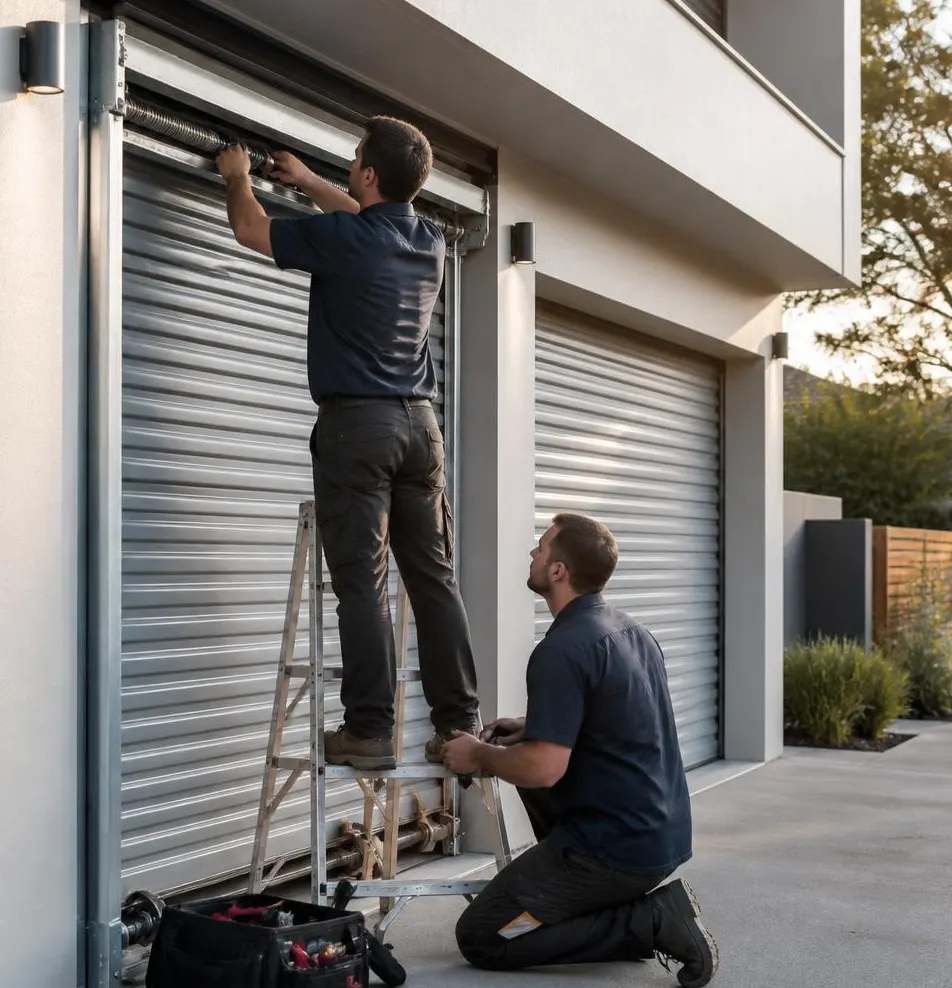
If your twenty-minute check turns up a door that's out of balance, a spring that looks stretched or has a visible gap in its coils, or cables that look worn, that's the point to call us instead of reaching for a wrench. Our Garage Door Tune-Up & Maintenance service covers a full inspection of springs, cables, rollers, and hardware, adjusts the balance, and catches the kind of rust and wear that builds up from Florida humidity before it turns into a stuck or off-track door. If springs are already worn or broken, our Garage Door Spring Repair service gets the door back to safe, correct tension the same visit, done with the right tools and without the injury risk of a homeowner attempting it.
Give us a call and we'll get a technician out to your home in Cross City, FL, or anywhere from Old Town to Steinhatchee, to keep your garage door running smoothly through every season this coast throws at it.